VPL–A01
Virtual artifacts
3D-scanned masks, tools, textiles, and documents you can rotate, zoom, and inspect — with the story of where each piece came from.
Field notes · Monrovia · October 2026
A virtual museum of Liberian memory — rebuilt from archives, 3D scans, and the voices of the people who were there. Free, offline, on any phone or headset.
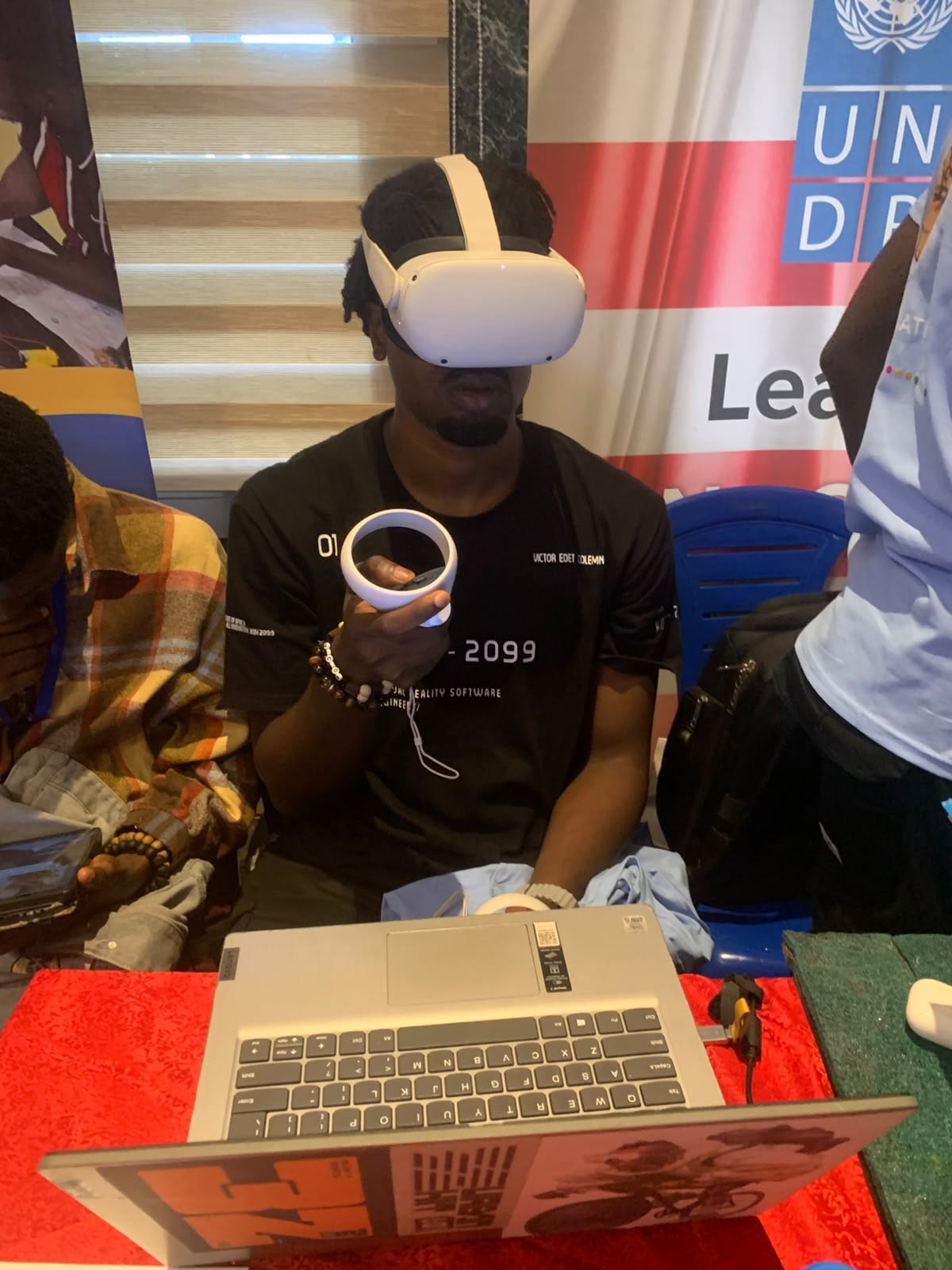
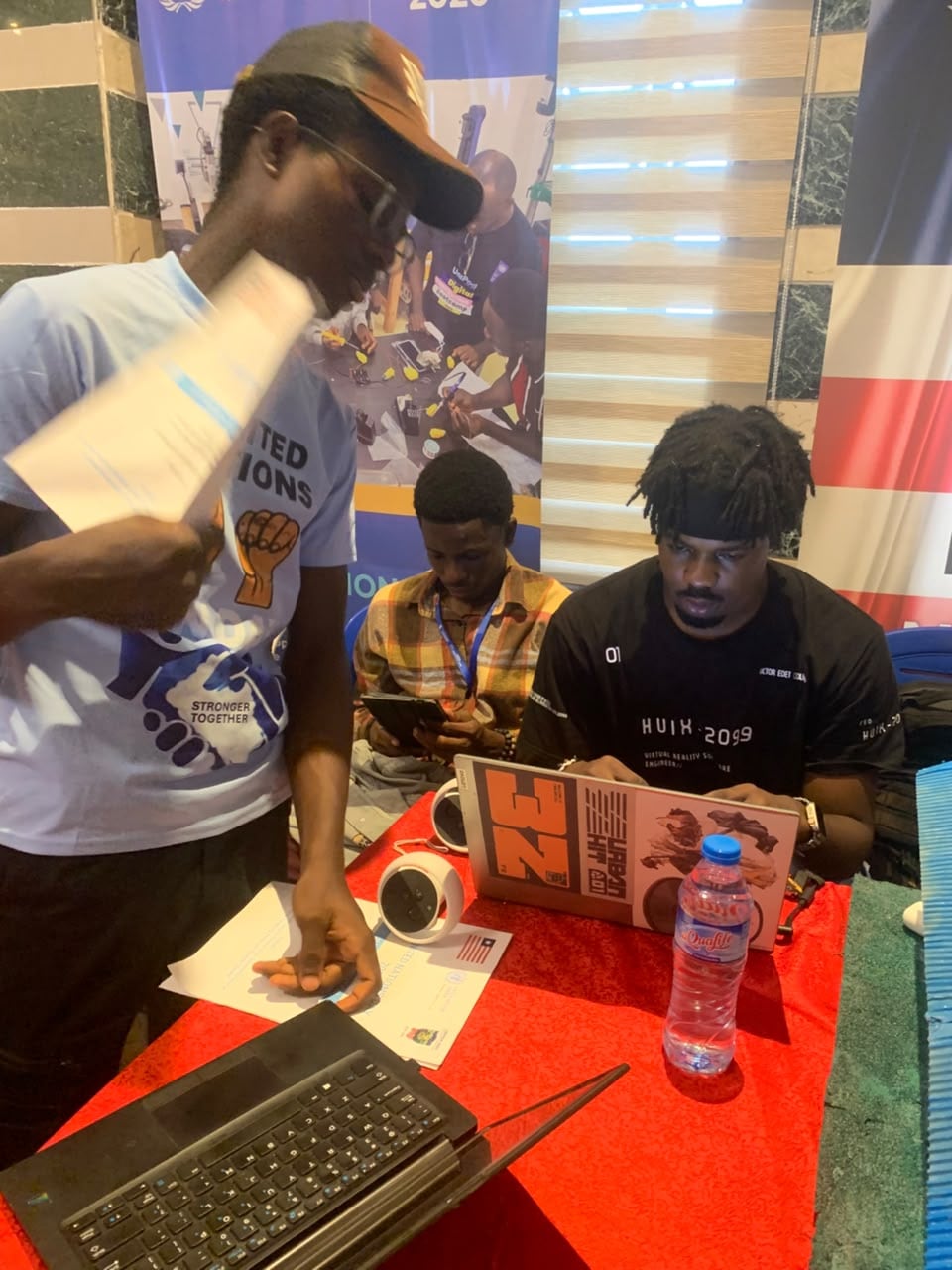
Built with elders, historians and custodians across all 15 counties.
Why this exists
Conflict, climate and time have erased buildings, objects and documents across Liberia. Some of it can be rebuilt. All of it can be recorded — with the people who remember it. Virtual Past Liberia is an attempt to hold both, in one open archive.
The collection
One collection, built in layers — from single artifacts you can hold in your hand, to whole streets you can walk through.
3D-scanned masks, tools, textiles, and documents you can rotate, zoom, and inspect — with the story of where each piece came from.
Walk through historic sites and lost buildings in virtual reality, guided by narration and the voices of people who remember them.
Playable quests and challenges set in Liberia’s past — learn by exploring, choosing, and solving, not just reading.
Time-slider simulations that rebuild a street, village, or market across eras, so you can see how a place changed decade by decade.
Ask questions and hear answers in Liberian English and local languages, from guides grounded in reviewed sources.
One open collection on web, mobile, and headset — offline-ready for classrooms and community centres with little or no internet.
Inside the rooms
The museum is arranged by era and community. Pick a room to see what has been rebuilt so far.
Before 1822
The peoples who shaped the land long before the Republic — Kpelle, Bassa, Kru, Grebo, Vai, Gola, Lorma, Mano, Gio, and more. Masks, tools, textiles, music, and village life, rebuilt with their communities.
Who it’s for
Whether you live here, left here, study here or are just arriving, there is a way in.
Tourists
Students
Citizens
Diaspora
Researchers
Institutions
How a site comes back
Research first, community always, technology last.
Gather maps, photographs, and records, and 3D-scan artifacts and sites with photogrammetry alongside partners and local historians.
Record oral histories with consent and validate every artifact, scene, and story with custodians before it is published.
Turn the material into tours, playable history games, and time-travel emulations on the HUIX-Horizen platform, with AI guides layered on top.
Ship to headsets, phones, and the web — offline packs for schools, kiosks for tourist sites, and open access for citizens and the diaspora.
Source-linked
Every scene is traceable back to archives, survey data, or recorded testimony.
Consent-first
Oral histories are recorded with consent and credited to the people who tell them.
Offline-first
Runs on low-cost phones and entry headsets, without fast internet or expensive hardware.
Stewardship
“The past is told by those who own it — not guessed at from the outside.”
Every scene, artifact and oral history passes community review before it ships. Testimony is recorded with consent, credited to its tellers, and can be withdrawn at any time.
3D modeller & software developer
Rebuilds artifacts and sites in 3D and engineers the VR, game, and web experiences around them.
Business strategist
Shapes the business model, partnerships, and funding that take Virtual Past Liberia from concept to classrooms.
Virtual Past Liberia
Partner with us, bring a site into the archive, or try the build on a headset.